

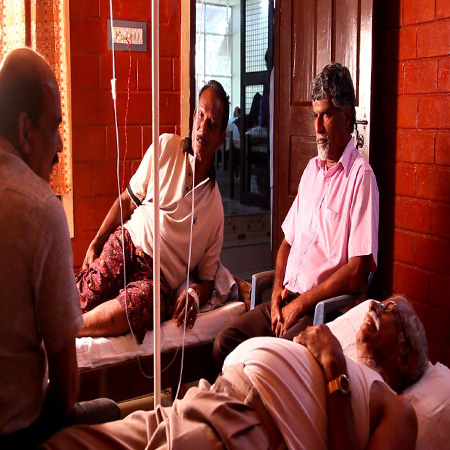
How Chelation Therapy Is Applied
For Coronary Artery Disease and Cardiovascular Diseases
It is a safe and effective alternative to bypass surgery or angioplasty and stents. Hardening of the arteries need not lead to coronary bypass surgery, heart attack, amputation, stroke, or senility. There is new hope for victims of these and other related diseases. EDTA chelation therapy, administered by a properly trained physician in conjunction with leading a healthy lifestyle, diet, and nutritional supplements, is a treatment to be seriously considered by persons suffering from coronary artery disease, cerebral vascular disease, brain disorders resulting from circulatory disturbances, generalized arteriosclerosis and related ailments which can lead to senility, gangrene, and accelerated physical decline.
Chelation therapy promotes health by correcting the major underlying cause of arterial blockage. Damaging oxygen free radicals are increased by the presence of metallic elements and act as a chronic irritant to blood vessel walls and cell membranes. EDTA removes those metallic irritants, allowing leaky and damaged cell walls to heal. Plaques smooth over and shrink, allowing more blood to pass. Arterial walls become softer and more pliable, allowing easier expansion.
For High Blood Pressure
Heavy metal toxicity is an often‑overlooked cause of essential hypertension. Chelation therapy restores the blood flow and removes the heavy metals — especially lead, which is the main culprit for high blood pressure — from the bloodstream.
More than 70 percent of individuals with blood pressure higher than 140/90 have significant excretion of toxic metals found by a chelation dose. If you do have heavy metal toxicity, chelation therapy will usually help lower your blood pressure. Chelation therapy is an intravenous process that binds to the heavy metals and removes them from the body.
For Control of Diabetes and Healing of Gangrene
The trials showed potentially important improvement in patients who had previous heart attacks and were already under cardiology treatment, especially those patients with diabetes. There were fewer cardiac events in the treated group and fewer cardiac events in diabetics. This is significant and cannot be ignored.
The following are the types of diabetic patients:
- Diabetes Mellitus This is a condition where the body is unable to store glucose because of inadequate insulin production. Diabetes mellitus could be caused by any process in which the pancreas is being destroyed. The blood flow of people who have diabetes is impaired.
- Diabetic Retinopathy This condition is a problem with the eyes. The retina’s small blood vessels are damaged by diabetes. Normally, the retina’s job is to transmit messages to the brain of what it has seen. Chelation for diabetes can help in keeping one’s blood pressure levels in a normal range and can help to avoid, and possibly prevent, loss of vision.
- Diabetic Neuropathy This condition is a nerve disorder caused by diabetes. Symptoms include pain in the legs, feet or hands. High blood glucose, which is associated with diabetes, can harm blood vessels that carry nutrients and oxygen to the nerves. Proper blood flow can ensure that oxygen is being provided and supplied to one’s body. By increasing blood flow and removing heavy metals from the body, intravenous chelation therapy can assist in relieving the symptoms of diabetes.
For Healing Varicose Veins and Ulcers
Varicose veins are very commonly seen in most men and women above 50 years who are slightly overweight and whose work involves standing. The tangling of minor veins and thrombosis causes pain and often leads to varicose ulcers. The loss of blood flow leads to pigmentation of the skin too. When chelation therapy is administered along with ozone bagging, the patient is relieved very much of the pain. The varicose ulcers heal and the pigmentation disappears.